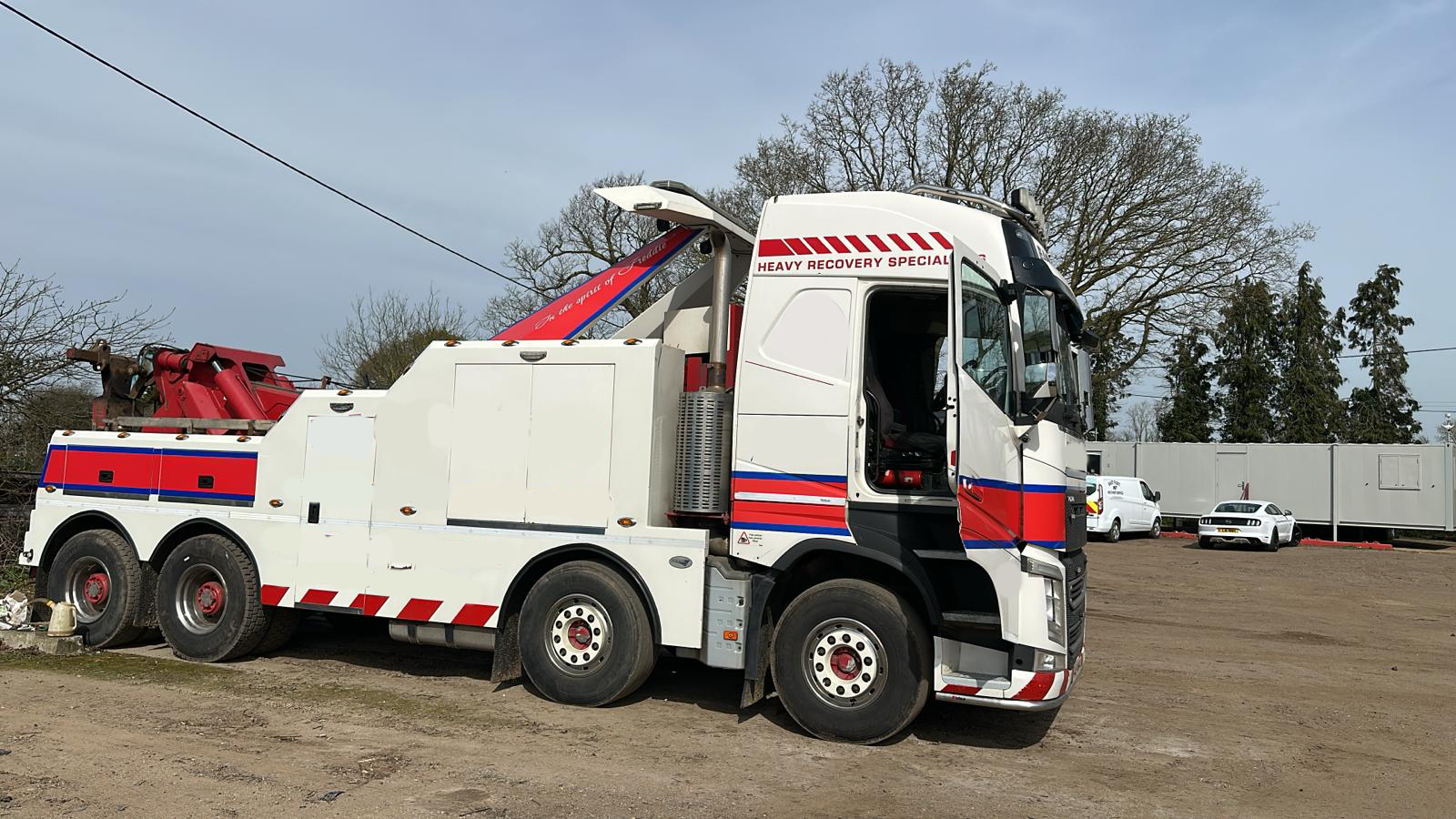


As the UK transport industry continues to adapt to economic pressure and environmental expectations, buyers are increasingly asking more specific questions than ever before. Rather than simply searching “What is the best used truck?”, many are now focusing on queries such as “Are rigid trucks more fuel efficient than tractor units?” or “Which truck type is more economical to run in the UK?”. These are important questions, and answering them properly requires a deeper understanding of how different vehicle types operate in real-world conditions.
To begin with, it is essential to understand the fundamental difference between rigid trucks and tractor units. A rigid truck is a single, fixed vehicle where the cab and the cargo body are permanently attached to the same chassis. These are commonly used for urban deliveries, construction work, and short-haul transport. In contrast, a tractor unit is designed to pull a separate trailer, forming what is commonly known as an articulated lorry. This setup is typically used for long-distance haulage and large-scale logistics operations.
This structural difference plays a significant role in determining fuel consumption and overall efficiency. Rigid trucks are generally lighter and more compact than articulated combinations, which means they often consume less fuel on shorter journeys. In urban environments, where frequent stopping and starting is required, rigid trucks can be more economical because they are easier to manoeuvre and place less strain on the engine and braking systems. Their smaller size also makes them better suited to navigating tight streets and restricted delivery zones, which can reduce time spent idling or rerouting.
However, while rigid trucks may appear more efficient in certain contexts, this does not mean they are always the more economical option. Tractor units, when paired with the appropriate trailer, can carry significantly larger loads. This means that although they consume more fuel overall, they often achieve better fuel efficiency when measured per tonne of goods transported. In other words, a tractor unit may use more diesel per mile, but it can move far more cargo in a single journey, making it more cost-effective for high-volume transport over long distances.
Fuel consumption itself is influenced by a wide range of factors beyond vehicle type. Engine size, load weight, driving style, road conditions, and maintenance all contribute to how much fuel a truck uses. For example, a well-maintained tractor unit operating on motorways at consistent speeds can achieve surprisingly competitive fuel economy figures, particularly when compared to a rigid truck making frequent stops in congested areas. This highlights the importance of considering how a vehicle will actually be used, rather than relying solely on general assumptions.
In 2026, fuel economy has become an even more important consideration due to fluctuating diesel prices and increased awareness of environmental impact. Many operators are actively seeking ways to reduce fuel consumption, not only to cut costs but also to improve their sustainability credentials. As a result, modern trucks are often equipped with technologies designed to enhance efficiency, such as aerodynamic designs, advanced engine management systems, and driver assistance features that promote smoother driving.
When comparing rigid trucks and tractor units from an economic perspective, it is also necessary to consider the concept of operational efficiency. A rigid truck may be cheaper to purchase and maintain, particularly for smaller businesses or independent operators. It requires no additional trailer, and its simpler design can make servicing more straightforward. For local delivery work, this can make rigid trucks an attractive and practical choice.
On the other hand, tractor units offer a level of flexibility that rigid trucks cannot match. The ability to swap trailers allows operators to adapt quickly to different types of cargo and changing demand. For example, a single tractor unit can be used with refrigerated trailers, flatbeds, or curtain-sided trailers, depending on the requirements of the job. This versatility can lead to higher utilisation rates, which in turn improves overall profitability despite higher fuel consumption per mile.
Another factor that should not be overlooked is driver efficiency. The way a truck is driven has a direct impact on fuel consumption, regardless of whether it is a rigid or articulated vehicle. Harsh acceleration, excessive idling, and poor route planning can all increase fuel usage significantly. Many companies now invest in driver training programmes and telematics systems to monitor performance and encourage more efficient driving habits. Over time, these measures can lead to substantial cost savings.
It is also worth considering how payload capacity affects economic efficiency. A rigid truck with limited carrying capacity may require multiple trips to transport the same amount of goods that a single articulated vehicle could move in one journey. This not only increases fuel consumption overall but also adds to labour costs and vehicle wear. In this context, tractor units often provide better value for businesses that need to move large quantities of goods regularly.
Despite this, rigid trucks remain highly relevant, particularly in sectors where access and manoeuvrability are more important than maximum payload. In city centres, residential areas, and construction sites, the practicality of a rigid vehicle often outweighs the benefits of a larger articulated setup. This demonstrates that efficiency is not simply about fuel consumption, but about choosing the right tool for the job.
Looking to the future, both rigid trucks and tractor units are likely to see continued improvements in fuel efficiency as manufacturers respond to regulatory pressures and technological advancements. While diesel engines are still dominant, there is growing interest in alternative fuels and electrification, particularly for urban delivery vehicles. Rigid trucks, due to their shorter routes and predictable usage patterns, are often seen as more suitable candidates for early adoption of electric technology. Tractor units, meanwhile, may continue to rely on diesel or hybrid solutions in the near term due to the demands of long-distance haulage.
In conclusion, the question of whether rigid trucks or tractor units are more fuel efficient does not have a simple answer. Each vehicle type has its own strengths and weaknesses, and their economic performance depends heavily on how they are used. Rigid trucks tend to be more efficient in urban and short-haul applications, while tractor units excel in long-distance, high-volume transport. By understanding these differences and considering factors such as payload, route type, and operational needs, buyers can make more informed decisions that maximise both fuel efficiency and overall profitability.
Ultimately, the most economical choice is not defined by the vehicle alone, but by how well it matches the demands of the business. In a competitive and rapidly changing industry, this level of understanding can make a significant difference, helping operators reduce costs, improve efficiency, and remain competitive in the UK transport market.
Buy a new or used truck
Truck Trading is proud to now offer an online marketplace dedicated to the trading of new and pre-owned rigid trucks, semi-trailers, and tractor units. We provide an extensive selection of used rigid trucks, from Beavertails, Flatbeds, and Mobile Cranes to used semi-trailers, including Low Loaders, Bulk Powder Tankers, and Refrigerated trailers. With our user-friendly search feature, we make your search for a new or used truck a breeze.
Our listings showcase some of the most renowned brands in the trucking industry, along the likes of Mercedes, Schmitz, and MAN, to name a few. Explore our listings today to find the perfect second-hand truck for your business.