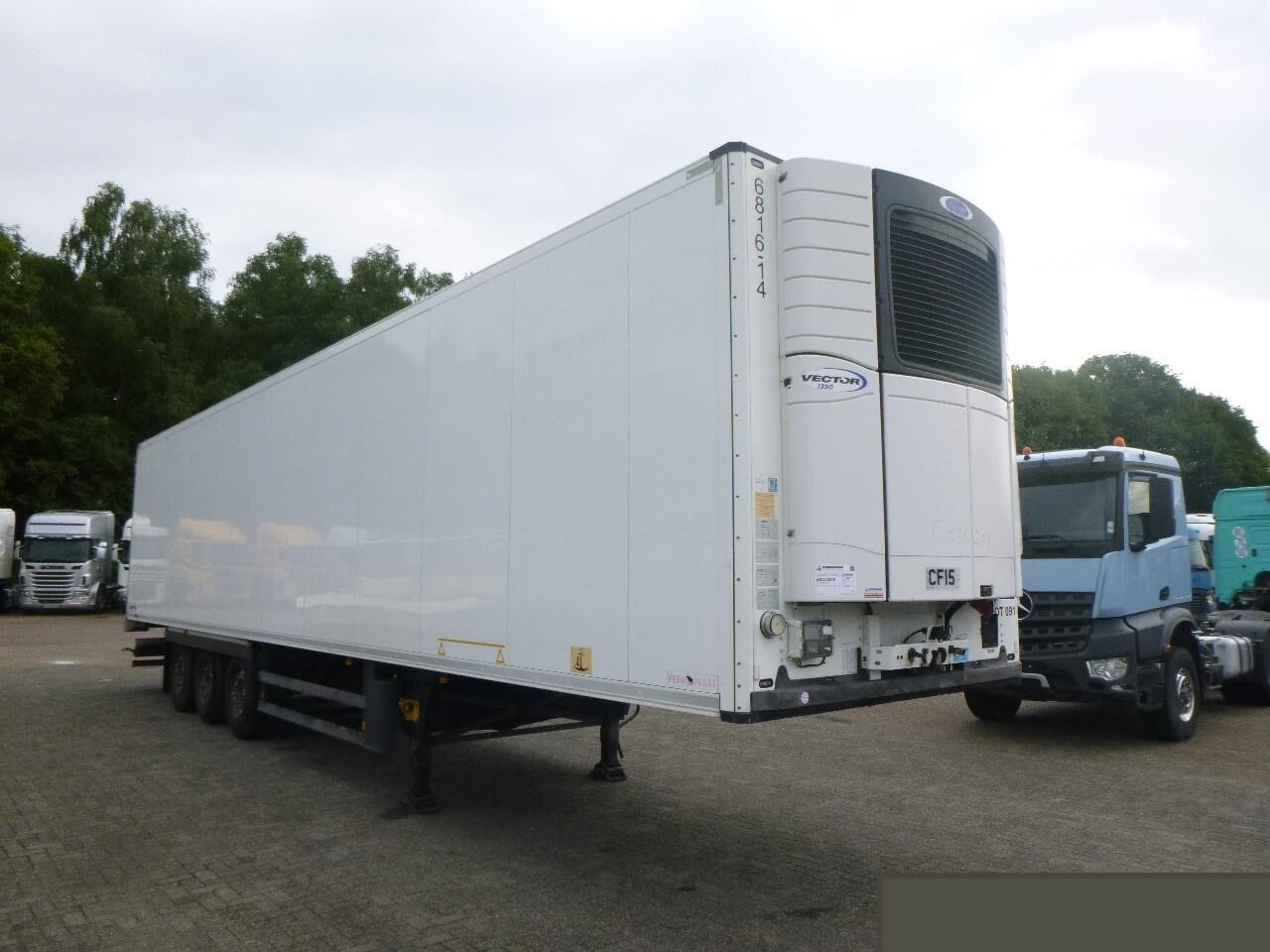

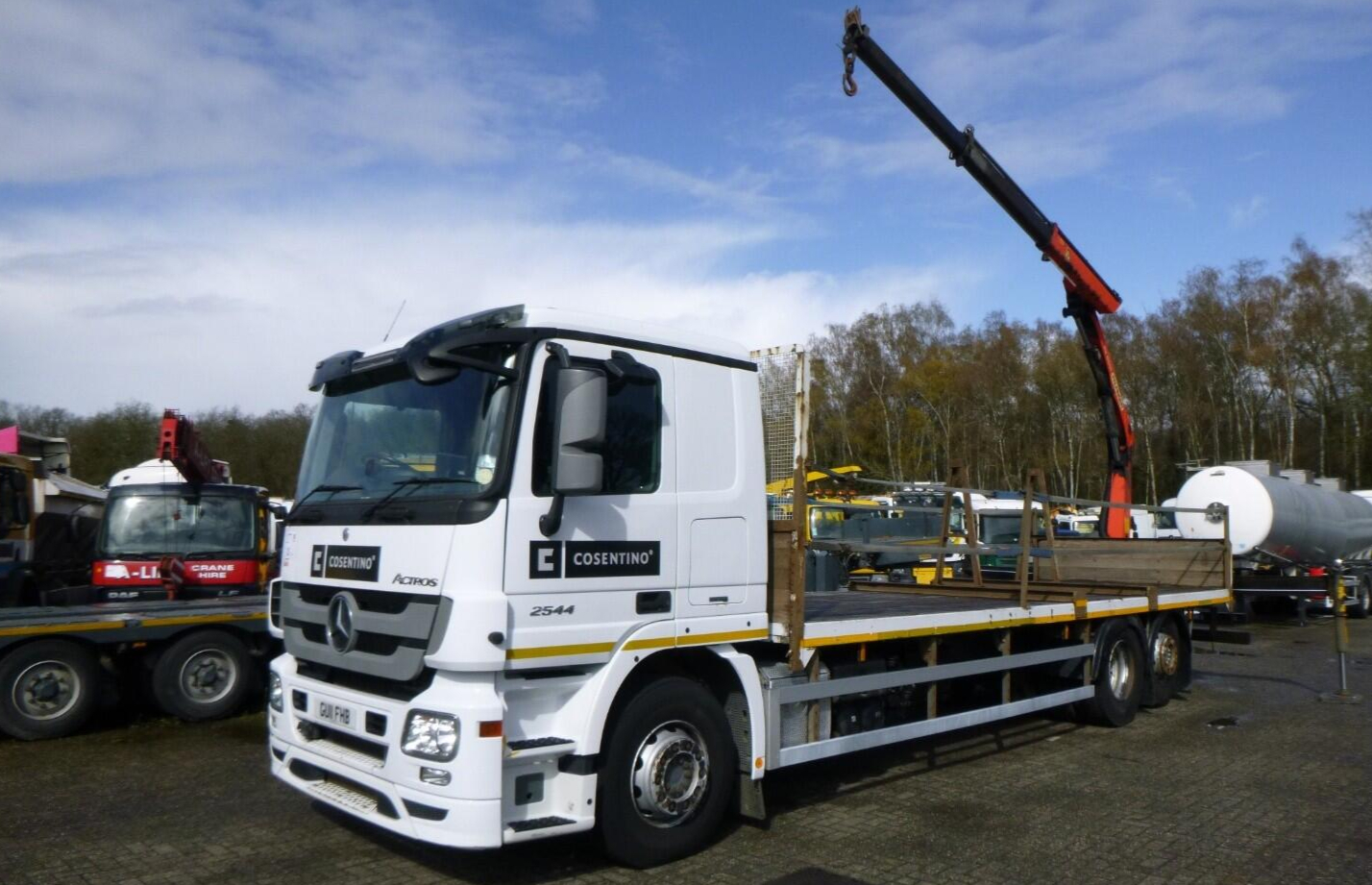
If you own a HIAB or crane-mounted lorry and you’re thinking about selling, you’ve probably already discovered that it isn’t as straightforward as selling a standard rigid truck. The crane itself adds a layer of complexity — valuation, LOLER compliance, buyer pool, and the paperwork involved all differ from a regular lorry sale.
This guide covers everything you need to know: what your crane lorry is likely worth, what affects its value, what documentation buyers and dealers will expect, and the fastest way to sell without leaving money on the table.
What Is a HIAB Truck? (And Why the Name Matters for Sellers)
The term “HIAB” has become the generic name for any lorry-mounted knuckle boom crane in the UK — much like “Hoover” became a catch-all for vacuum cleaners. In reality, HIAB is a specific Swedish brand (short for Hydrauliska Industri AB), part of the Cargotec group, and has been manufacturing loader cranes since 1944.
When people search online for “sell my HIAB truck”, they may actually own a truck fitted with a crane from a different manufacturer — Palfinger, Fassi, Atlas, HMF, PM, or Effer are all common alternatives fitted to UK lorries. For the purposes of this guide, we use “HIAB” and “crane lorry” interchangeably — and at Truck Trading, we buy them all regardless of crane brand.
Common body configurations you’ll find crane trucks in include:
- Dropside flatbed — the most common; crane mounted behind cab or at rear
- Beavertail — popular for plant delivery, crane assists loading
- Tipper/grab — crane with grab attachment for demolition and waste
- Brick grab / builders merchant spec — rear-mounted crane with brick grab
- Container/skeletal — crane for container handling
- Plant body — extended flatbed for machinery transport
What Crane Brands Do We Buy?
At Truck Trading we buy crane lorries fitted with all makes of loader crane, including:
- HIAB — all models including X-HiPro, XS, Duo, and older E/F-series
- Palfinger — PK series, from light-duty PK6500 to heavy PK165002
- Fassi — F series (F110 through F800 and above)
- Atlas — AK and older Atlas-branded cranes
- HMF — popular on older UK trucks
- PM / Effer — specialist and heavy-lift cranes
- Cormach, Kennis, Penz — timber, forestry and specialist cranes
We also buy the full range of truck chassis that crane lorries are most commonly built on: DAF CF and XF, Volvo FL and FE, Mercedes-Benz Actros and Antos, Scania G and R series, MAN TGS and TGM, Iveco Stralis and Eurocargo.
What Is My HIAB Truck Worth in 2026?
Valuing a crane lorry is more complex than valuing a standard truck because you’re effectively pricing two assets — the truck chassis and the crane — as one package. Both need to be in good condition and working order to achieve the best price.
Here are indicative current market values for common configurations:
| Configuration | Year | Mileage | Approx. Value (ex VAT) |
|---|---|---|---|
| 18t DAF/Volvo dropside + HIAB 100–130 | 2018–2021 | 200–350k km | £35,000–£55,000 |
| 26t DAF/Volvo dropside + HIAB 150–200 | 2018–2021 | 250–400k km | £45,000–£70,000 |
| 26t 6×2 beavertail + Fassi/HIAB 300+ | 2018–2022 | 200–350k km | £60,000–£95,000 |
| 32t 8×2 flatbed + HIAB 500+ HiPro | 2019–2023 | 200–350k km | £90,000–£140,000 |
| 18t brick grab spec + rear crane | 2017–2020 | 250–400k km | £30,000–£50,000 |
| 26t tipper grab with crane | 2017–2021 | 250–450k km | £35,000–£55,000 |
What Affects the Value of a Crane Lorry?
1. The Crane Itself — Make, Model, and Condition
The crane is often worth as much as or more than the truck chassis on a well-specced unit. A HIAB X-HiPro 658 on a 32t 8×2 can add £40,000–£60,000 in value over the base truck. Buyers are assessing:
- Crane brand and model — HIAB and Palfinger are the most sought-after in the UK; older or more obscure brands carry a discount
- Tonne-metre ™ rating — the crane’s lifting capacity at reach; higher tm = higher value
- Number of extensions — more extensions means greater reach and versatility
- Remote control spec — wireless remote is standard expectation; older wired or manual control cranes are worth less
- Condition of hydraulics — look for leaks, hose condition, smooth operation through full range of motion
- Attachments — hook, brick grab, timber/recycling grab, jib extension all add value if included and in good working order
2. LOLER Compliance Status
This is the factor most sellers underestimate — and it matters enormously to buyers.
Under the Lifting Operations and Lifting Equipment Regulations 1998 (LOLER), all lorry-mounted cranes used for work must undergo a thorough examination by a competent person:
- Every 12 months for cranes under 8 years old
- Every 6 months for cranes over 8 years old
Additionally, an overload/125% inspection is required every 4 years (under 8 years old) or every 2 years (8–12 years old).
A current, in-date LOLER certificate is not just good practice — it’s a legal requirement for the crane to be operated commercially. Any commercial buyer will ask for it. If your LOLER certificate has expired, expect buyers to factor in the cost of getting the examination done (typically £200–£500 depending on crane size and location) and the risk that defects may be found.
Tip: If your LOLER is expired but you’re planning to sell, it’s worth getting it renewed before you approach buyers — a current LOLER certificate can add more to the sale price than it costs to obtain.
3. Truck Chassis Condition and Specification
The crane gets the attention, but the truck underneath matters too. Key factors:
- Mileage and age — as with any truck, lower mileage and newer year of manufacture supports higher values
- Euro emission standard — Euro 6 is the benchmark for most UK commercial buyers; Euro 5 trucks face tightening restrictions in London’s ULEZ and other clean air zones, which reduces the domestic buyer pool and pushes value down
- Axle configuration — 6×2 and 8×2 rear-lift/rear-steer configurations are the most versatile and sought-after for crane work
- Gearbox — automatic or semi-automatic gearboxes command a premium over manual; most modern crane lorry buyers prefer auto
- Service history — full main dealer service history adds tangible value; gaps in records raise questions
4. Body Condition
The body — whether dropside, flatbed, beavertail, or tipper — needs to be assessed alongside the truck and crane. Rotten timber floors, damaged dropside boards, bent or corroded metalwork all get factored into the offer. A smart, well-maintained body keeps the overall package more attractive.
5. DVS Compliance
London’s Direct Vision Standard (DVS) requires HGVs over 12 tonnes operating in Greater London to hold a valid DVS permit and, for vehicles with a zero or low star DVS rating, to be fitted with a Safe System including cameras, warning signals, and sensors. If your crane lorry regularly operates in London and is fully DVS-compliant with cameras fitted, this adds value — particularly to buyers operating in the capital. If it’s not compliant and a buyer needs it to be, expect that cost to be reflected in their offer.
ALLMI Training and Operator Certification
One question sellers sometimes ask is whether the buyer needs specific training or certification to operate the crane. The answer is yes — and understanding this helps you market the truck to the right buyers.
ALLMI (Association of Lorry Loader Manufacturers and Importers) is the trade body that sets the training standard for lorry loader operators in the UK. Their 15-module training course covers:
- Pre-use checks and daily inspections
- Safe working loads and load calculations
- Operation of the crane through its full range
- Slinging and load securing
- Emergency procedures
Operators working commercially are expected to hold an ALLMI operator card or equivalent CPCS card (A60 — Lorry Loader). Many commercial sites and haulage companies require proof of this certification before their operators use a crane truck. This is worth bearing in mind if you’re selling to an individual operator — they may need to factor training costs into their budget.
How to Sell Your HIAB or Crane Lorry — Your Options
Option 1: Sell Directly to Truck Trading
The fastest, simplest route. We buy crane lorries of all configurations and crane brands, in all conditions, across the UK.
What you get:
- Free quote within 24 hours — based on real market data, not guesswork
- Same-day payment — bank transfer on the day of collection
- Free UK-wide collection — we come to you, wherever you are
- No fees or commission — the price we quote is what lands in your account
- All conditions considered — working, non-running, expired LOLER, high mileage
We understand crane lorries. Our team knows the difference between a HIAB X-HiPro 658 and a standard 188, we understand tm ratings and extension counts, and we’ll give you an accurate, market-based valuation — not a generic low-ball offer.
Get your free crane lorry quote →
Option 2: Auction
Auction can work for specialist vehicles like crane lorries if the right buyers show up — and crane trucks do attract specialist attendance at the major commercial vehicle auctions. However, auction fees, buyer’s premiums, and the uncertainty of what day delivers what crowd make this a risky route for sellers who need a specific outcome.
Auction also takes time — cataloguing, waiting for the sale date, and potentially collecting an unsold vehicle if it doesn’t meet reserve.
Option 3: Private Sale
Platforms like Commercial Motor, Truckpages, and Auto Trader Trucks all list crane lorries. Private sale can occasionally yield a strong price, but crane trucks have a smaller buyer pool than standard rigids — which means longer listing times, more tyre-kickers, and more complexity around viewings, test drives, and crane demonstrations. If your LOLER is current and the crane is working well, you may find a motivated buyer. If not, it’s a slow process.
What Paperwork Do You Need to Sell a Crane Lorry?
Beyond the standard truck documentation (V5C logbook, MOT certificate, service history), selling a crane lorry requires:
- LOLER thorough examination certificate — the most important document specific to crane trucks. Buyers will ask for it. If it’s expired, they’ll want to factor in the cost of renewal.
- Crane service and maintenance records — evidence of regular greasing, hydraulic oil changes, and any repairs. Not mandatory but adds significant value.
- ALLMI/crane inspection records — if any voluntary or additional inspections have been carried out
- Any attachment certificates — if the truck comes with a brick grab, timber grab, or other lifting attachment, these should have their own LOLER documentation as lifting accessories
- Finance settlement letter — if the truck is subject to HP or a conditional sale agreement, a letter confirming finance has been cleared (or arrangements to clear on the day of sale)
At Truck Trading we handle all the transfer documentation. You need your V5C, LOLER cert, and finance clearance — we take care of the rest.
Selling a Non-Working or High-Mileage Crane Lorry
Not every crane lorry we buy is in perfect working order — and that’s fine. We regularly purchase:
- Trucks with expired LOLER certificates
- Crane lorries with hydraulic issues or inoperable cranes
- High mileage or high age trucks (Euro 5 and older welcome)
- Trucks with MOT failures or off-road vehicles
- End-of-fleet disposals with multiple units
We’ll factor condition honestly into our valuation. You won’t get misled about what we’re offering or why — and you’ll still benefit from same-day payment and free collection.