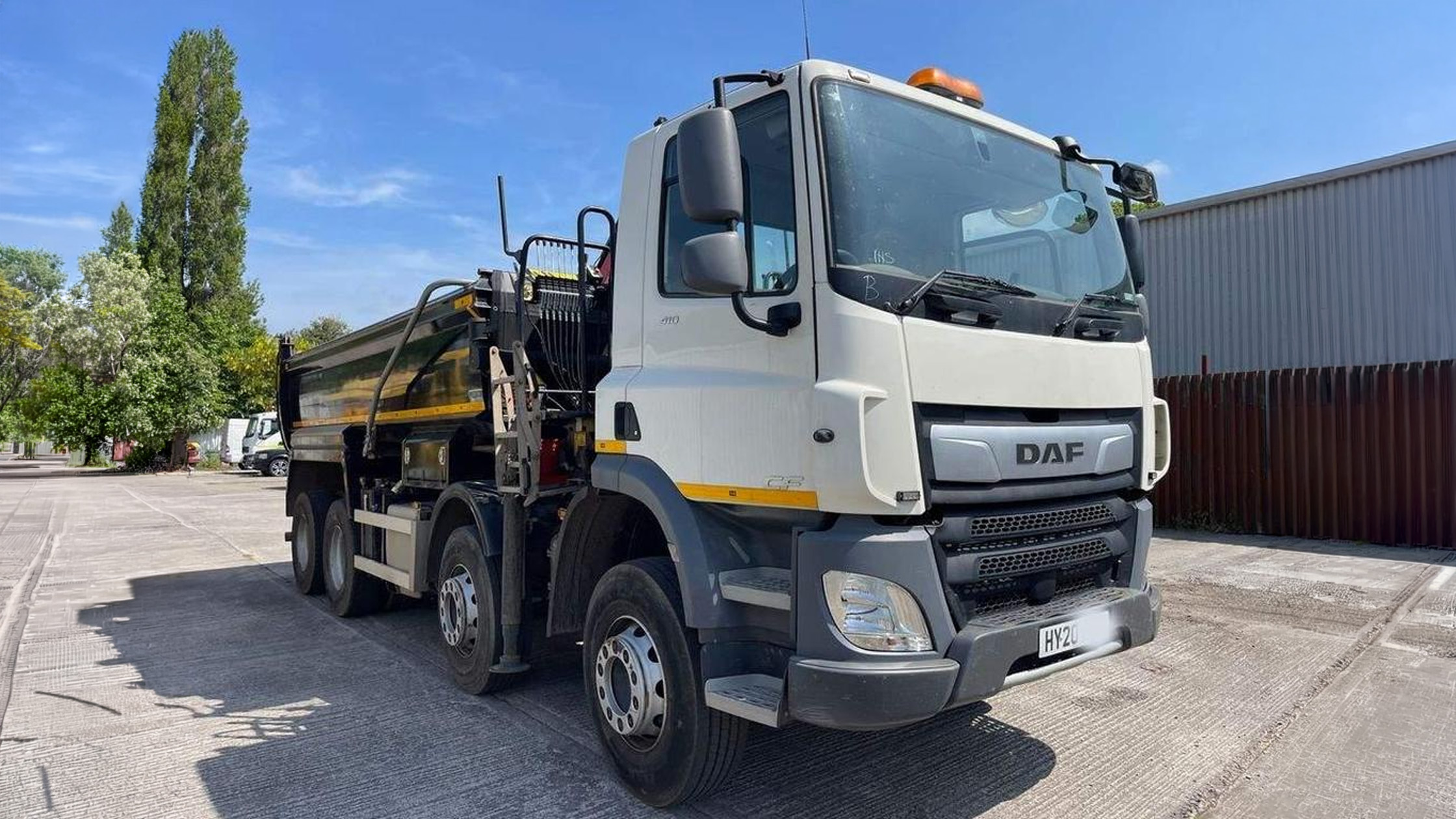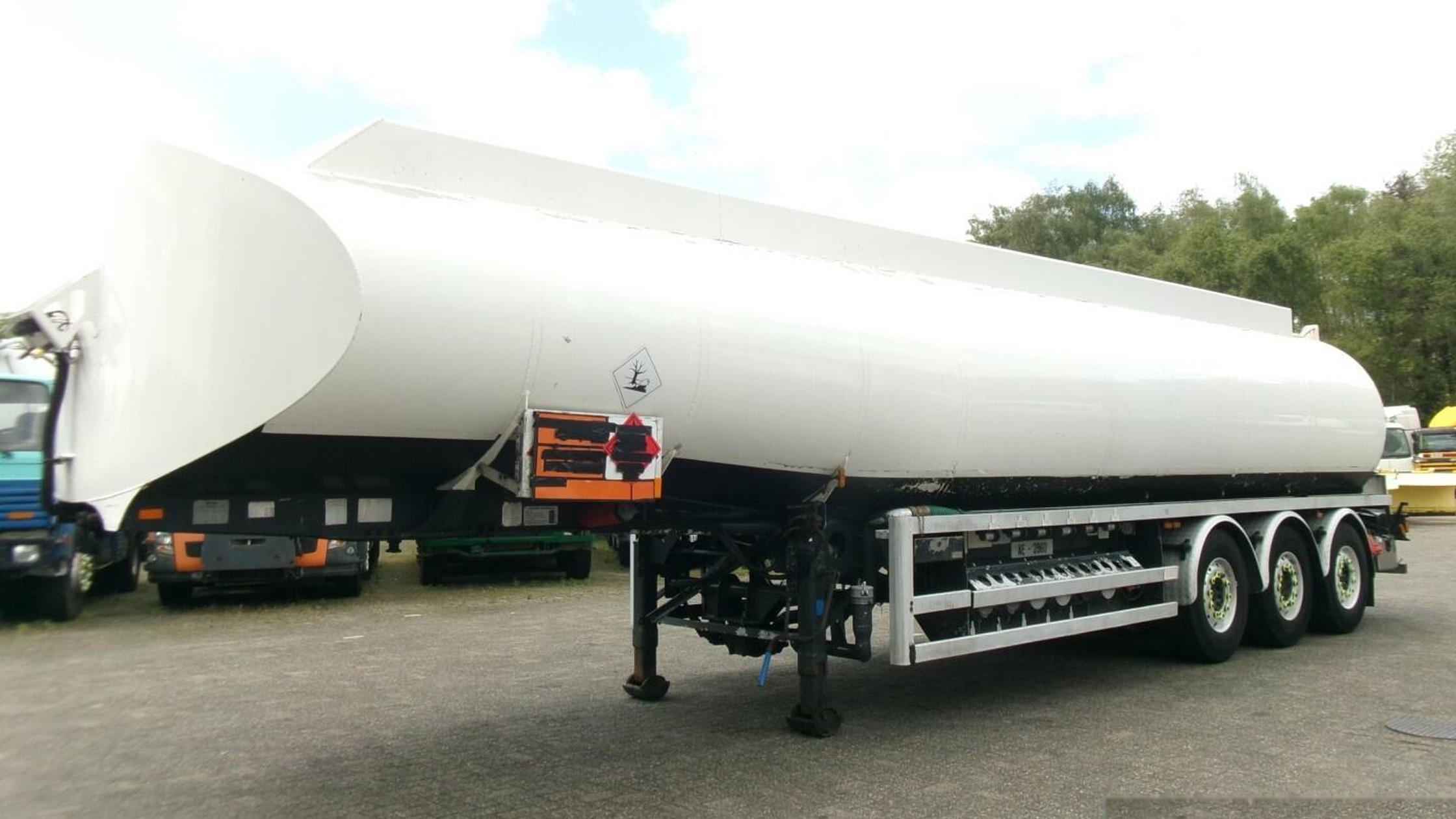

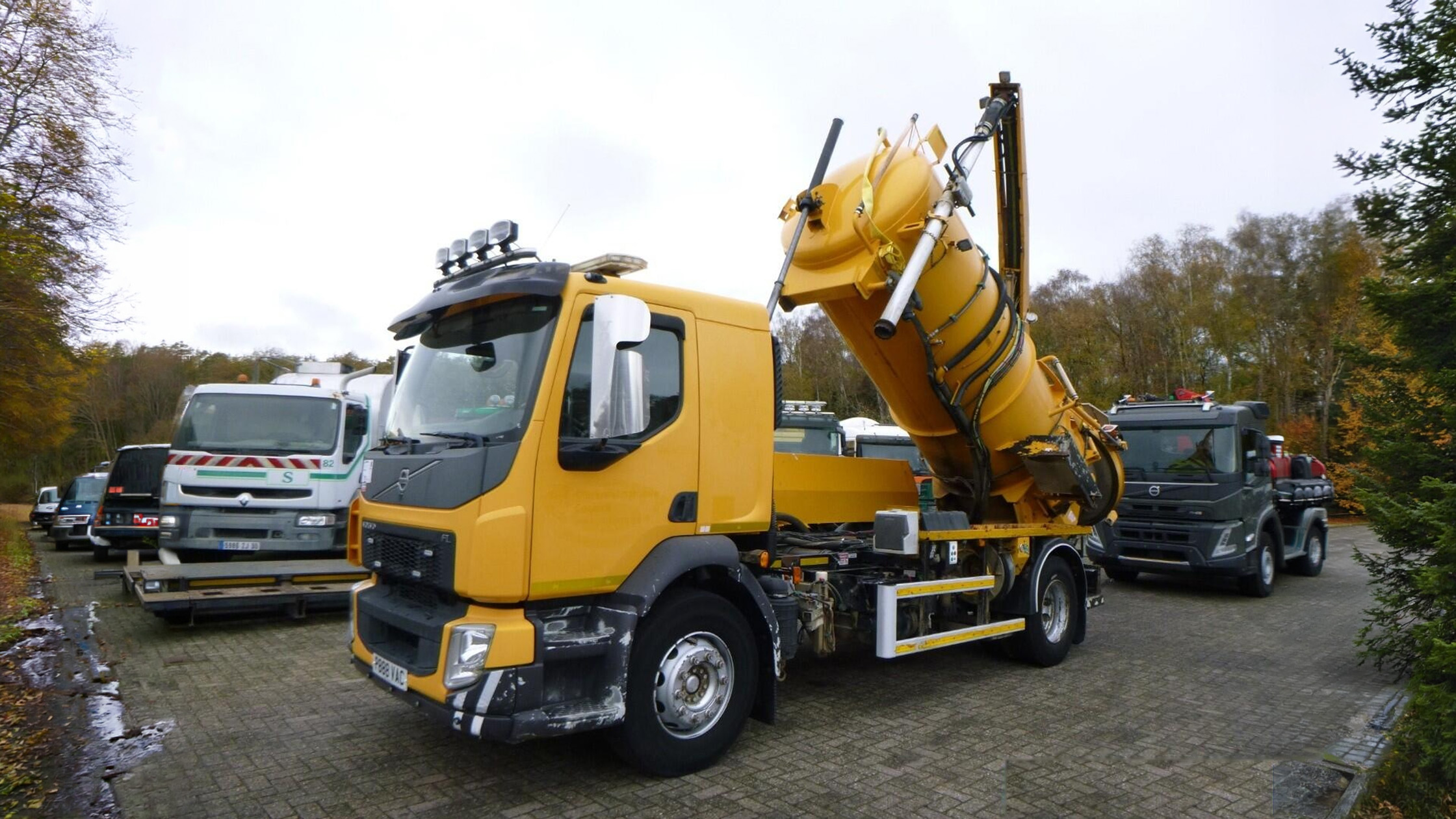
Buying a used truck should be simple, right? Find a good price, check the condition, get it on the road and start earning. But the reality can be quite the opposite. How and why do so many operators run into difficulties?
The biggest mistake we see time and time again is this: “Buying based on price alone rather than the total running cost”. It sounds obvious, but in an industry where margins are tight and every penny counts, it is an easy trap to fall into. The cheapest used rigid truck or tractor unit upfront is rarely the cheapest in terms of long-term. In fact, it is often the most expensive decision you can make. Let’s break this down!
The Reality of Running Costs in 2026
Before even looking at used trucks for sale, you need to understand the environment you are operating in. The UK haulage sector is under serious pressure. According to the Road Haulage Association, operating costs rose by nearly 6% in 2025, while profit margins remain around 2%. That means there is almost no room for error. At the same time, the cost of simply running a single HGV can sit anywhere between £20,000 and £60,000 per year just on fuel. On top of that:
- Vehicle Excise Duty is increasing
- The HGV levy is rising with inflation
- Fuel duty is expected to increase again from 2026 onwards
Then you have insurance, maintenance, salaries and downtime to factor in. Put simply, buying the wrong truck is no longer a small mistake. It can wipe out your profit entirely.
How Can Cheap Trucks Cost More?
Let’s say you find two trucks. Truck A costs £18,000 and Truck B is priced at £26,000. Most buyers instinctively lean towards Truck A. It feels like a whopping saving of £8,000, but before rushing into any decision, you need to think carefully about the following aspects of buying a used truck.
1. Maintenance and Repairs
Older or cheaper trucks tend to come with more wear and tear. That means more breakdowns, more parts, more labour. And more importantly, more time off the road. Every day your truck is not moving is a day you are not earning. With UK haulage rates typically sitting between £1.80 and £3.00 per mile, downtime adds up real fast!
2. Fuel Efficiency
A slightly newer or better spec truck might cost more upfront, but could save thousands per year in fuel. With fuel already one of the highest operating costs, even a small efficiency gain makes a big difference over time.
3. Unexpected Failures
A cheap truck might look fine on the surface, but hidden issues can quickly turn into major bills. Checking a truck’s MOT history is one of the easiest ways to spot recurring issues, including failures, mileage inconsistencies and advisory notices before you buy. Turbo failure, gearbox issues and electrical faults. These are not small fixes. And because margins are so tight across the industry, many operators simply cannot absorb those hits.
The Bigger Picture Most Buyers Ignore
The mistake is not just about the truck itself. It is about understanding how that truck fits into your business. A lot of buyers focus on price, mileage and age but often overlook the truck’s suitability for their work, the reliability under load, resale value and driver comfort.
Yan Akoya, Operations Director at Truck Trading, comments:
“One of the biggest mistakes we see hauliers make isn’t just buying the wrong used truck or semi-trailer, it’s holding onto the wrong one for too long. When maintenance costs start creeping up or reliability drops, that asset quickly turns from profit into liability.
At Truck Trading, we work directly with operators every day who want a fast, transparent way to move vehicles on without the hassle of marketplaces or time-wasting buyers. If you’ve got a used truck, tractor unit or trailer sitting idle or costing you money, the smartest move is to get a professional valuation and understand what it’s worth in today’s market.
Our online form takes just a couple of minutes to complete, and it’s often the first step toward freeing up cash flow and upgrading your fleet with confidence.”
There Are Also Hidden Costs No One Talks About
There are also external factors that make the wrong purchase even riskier.
Freight Crime
Freight crime is rising sharply across the UK. In 2024 alone, over £111 million worth of goods were stolen from lorries, with losses exceeding £1 billion since 2020. Higher risk means higher insurance. It also means choosing the wrong type of vehicle or setup can make you more vulnerable.
Driver Shortages
The industry is still dealing with ongoing driver shortages, driven by an ageing workforce and poor working conditions. This has a knock-on effect. Drivers prefer newer, more comfortable, more reliable trucks. If your fleet is made up of older or unreliable vehicles, it becomes harder to attract and retain good drivers. That is a cost many businesses do not factor in.
Rising Operational Pressure
Across the sector, hauliers are dealing with rising costs, regulatory pressure and staffing challenges all at once. That means your truck needs to be an asset, not a liability.
What Smart Buyers Do Differently
The most successful operators do not buy the cheapest truck. They buy the right truck by factoring in fuel consumption, maintenance history, expected lifespan and overall downtime risk. They then make a decision based on overall cost over time. As we’ve discussed, not all trucks are equal. A truck that is perfect for long motorway runs may not be right for urban deliveries. A vehicle that works well for light loads might struggle under heavier work. Spec matters. Some trucks hold their value far better than others. A slightly more expensive truck today could be far easier to sell later on, reducing your overall cost of ownership. Also, buying privately or purely on price often means taking on more risk. Working with experienced sellers who understand the industry, the stock, and what actually works in real-world conditions can save you a lot of money in the long term.
So What Should You Do Instead?
If you take one thing from this, it is to stop thinking short-term. The cheapest truck today can easily become the most expensive truck you’ve ever owned. Instead:
- Focus on reliability
- Understand your operating costs
- Choose the right spec for your work
- Think about long-term value
Because in an industry where margins are often around 2%, getting this wrong is not just a small mistake. It is a costly one.
Final Thoughts
The haulage industry is tougher than it has been in years. Costs are rising. Risks are increasing. Margins are tighter than ever. That means every decision matters more. And the trucks you buy play a huge part in whether your business stays profitable or struggles to keep up. If you are unsure what the right choice looks like, it is always worth speaking to someone who understands both the vehicles and the market. Because the right truck does not just get you from A to B. It protects your bottom line.
Need help choosing the right truck for your operations? At Truck Trading, we do more than just list vehicles. We help you find used trucks that actually work for your business, not just your budget. You can browse available stock or get in touch with the team to talk through what you need.